
Apart from our product supplies, we also provide services that help to keep your fleet in running shape. Here are some of the services we provide now.
Ship repair and technical maintenance services
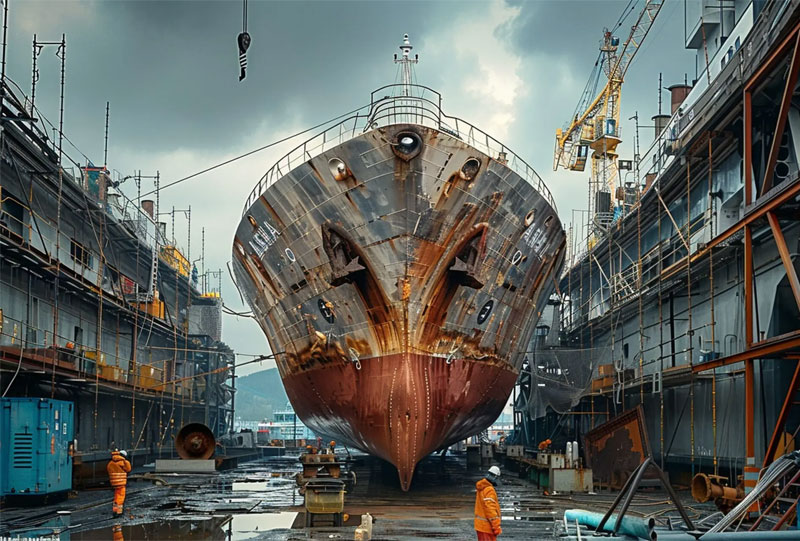
Ship repair and technical maintenance services refer to the professional upkeep, repair, and servicing of vessels to ensure their safe and efficient operation. These services help extend the lifespan of ships, improve performance, and ensure compliance with maritime regulations.
- Hull Repairs & Maintenance – Fixing damages, corrosion, or structural wear on the ship’s body.
Environmental services
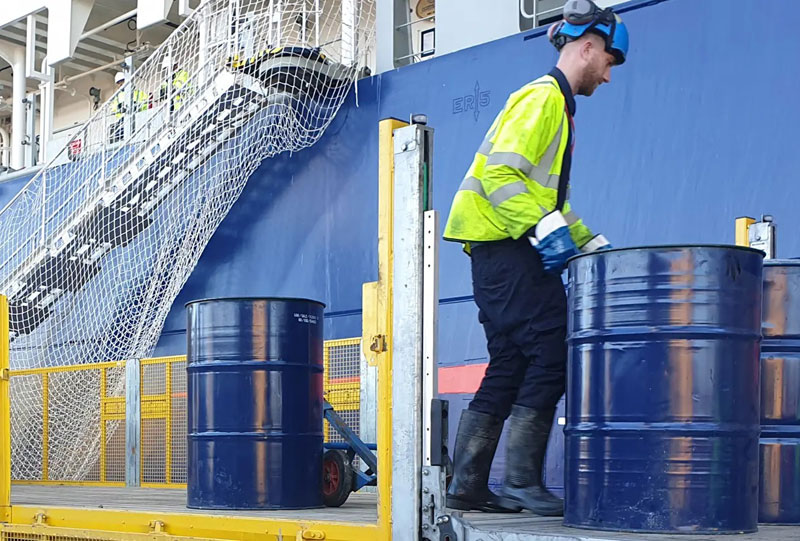
Garbage Removal and Sludge Oil Removal for Ships are essential waste management services that ensure environmental compliance and keep vessels operational by properly disposing of waste materials generated onboard.
- Ships generate various types of waste, including food waste, plastics, paper, glass, and hazardous materials.
- Sludge oil is a byproduct of fuel combustion and engine operations, consisting of waste oil, fuel residues, and water.
Tank and Hatch Cleaning
Tank and hatch cleaning are essential maintenance procedures performed on ships to ensure cargo integrity, prevent contamination, and comply with international maritime regulations.
Tank cleaning is the process of removing residual cargo, sludge, and contaminants from a ship’s storage tanks, commonly found on oil tankers, chemical tankers, and bulk carriers.
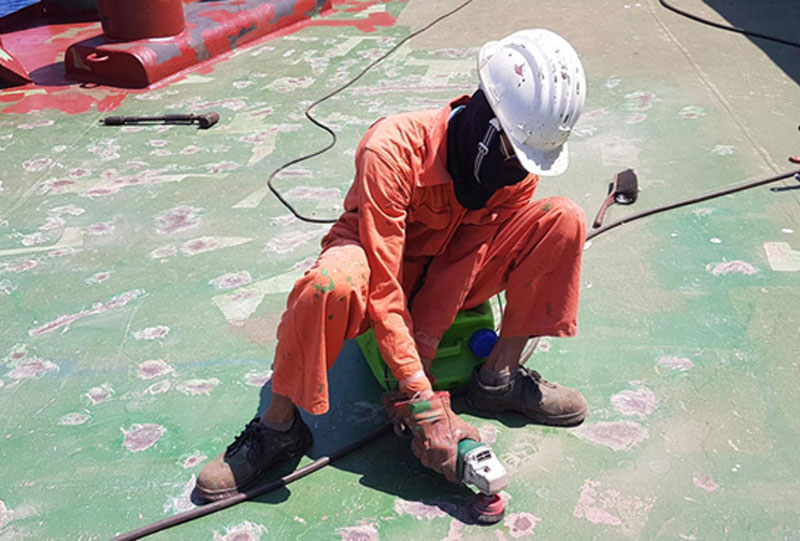
Chipping
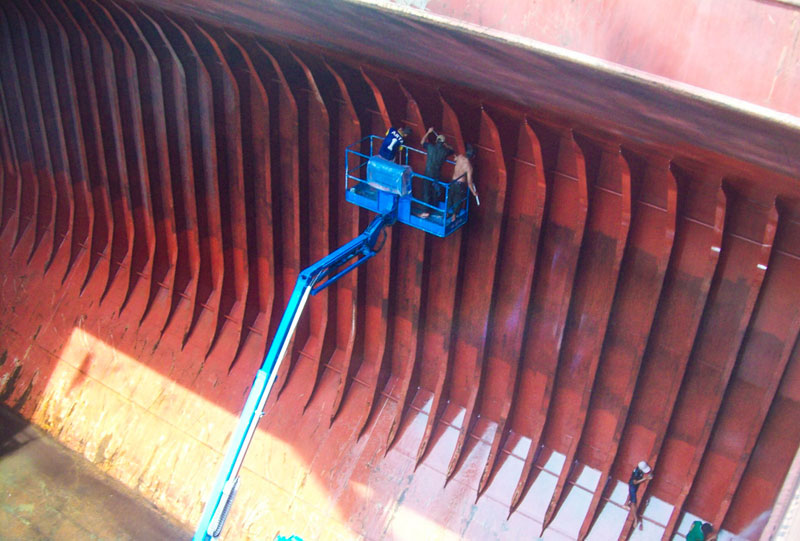
Chipping is a common ship maintenance process that involves removing rust, old paint, and corrosion from a ship’s metal surfaces, particularly the deck, hull, and superstructure. This is a crucial part of ship upkeep to prevent structural damage, ensure safety, and maintain the vessel’s appearance.
Painting
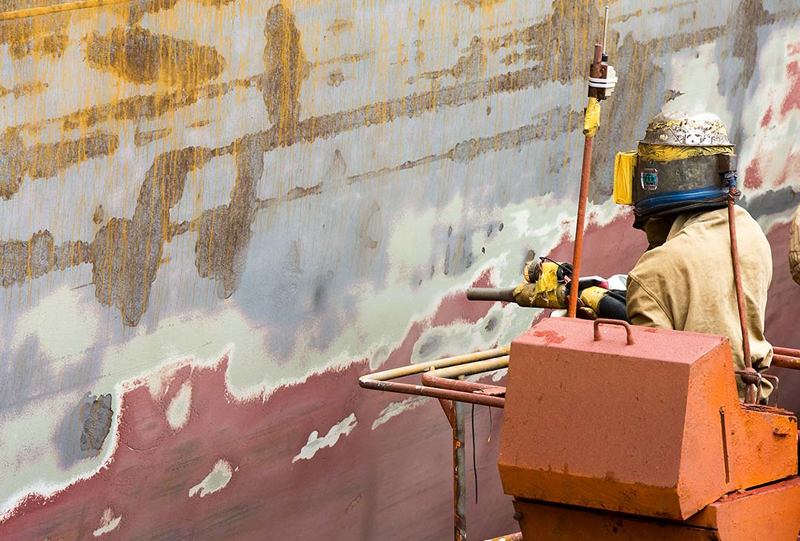
Ship painting is the process of applying protective coatings to a vessel’s hull, deck, and superstructure to prevent corrosion, enhance durability, and improve aesthetics. This is a critical part of ship maintenance, ensuring the vessel withstands harsh marine environments, including saltwater, humidity, and extreme weather conditions.
Garbage Cleaning
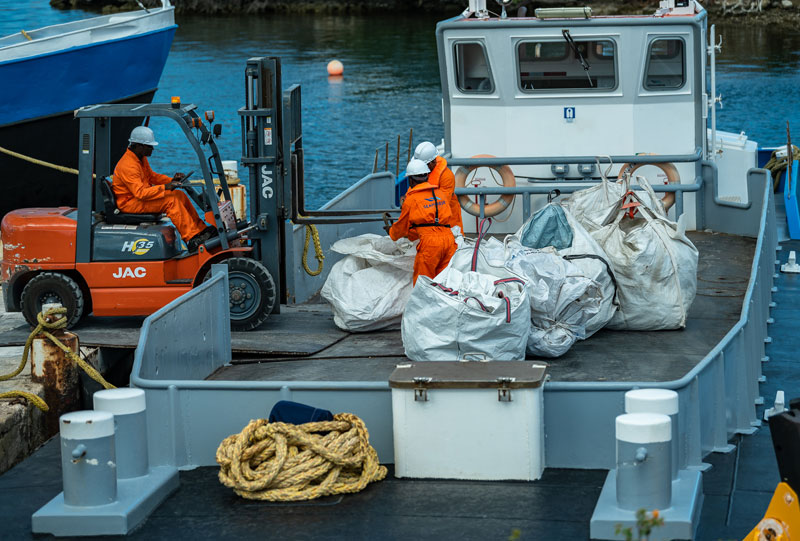
Garbage cleaning on ships refers to the proper collection, segregation, and disposal of waste generated onboard vessels in compliance with MARPOL Annex V regulations. Ships produce different types of waste, including food scraps, plastic, paper, metal, glass, and hazardous materials, all of which must be managed to prevent pollution and maintain hygiene.
Bunkering
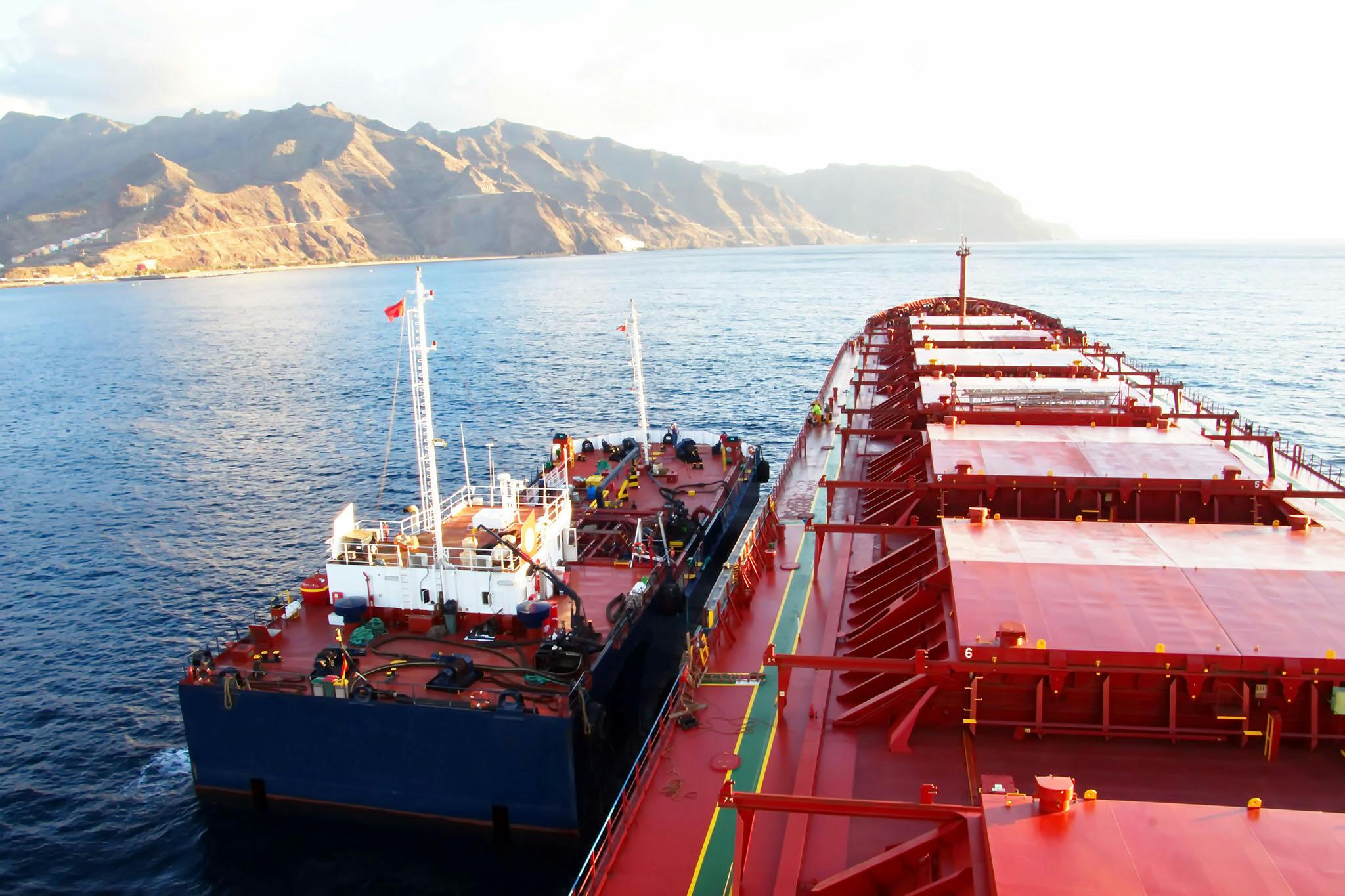
Bunkering refers to the process of supplying fuel to a ship for its operation. It includes loading, storing, and managing fuel (bunkers) onboard a vessel. The term originates from the days when ships used coal, which was stored in “bunkers.” Today, bunkering involves marine fuels like heavy fuel oil (HFO), marine diesel oil (MDO), or liquefied natural gas (LNG).
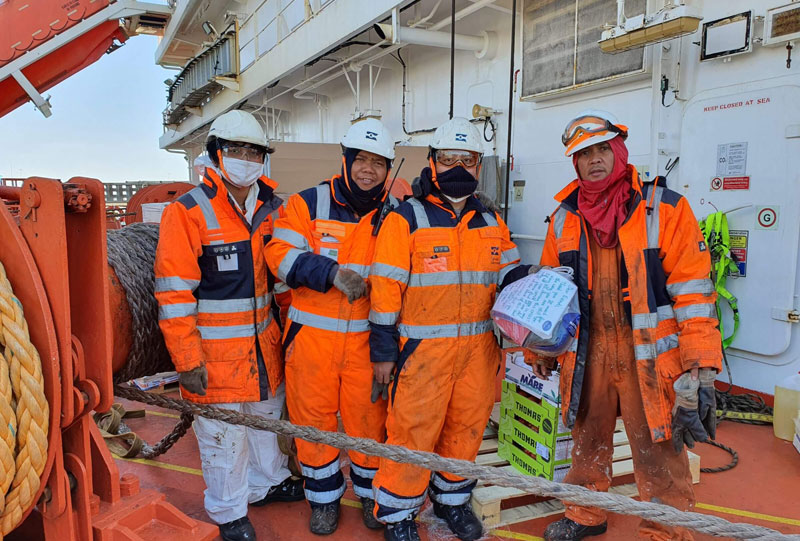
Life Raft Annual Servicing
Life Raft Annual Servicing refers to the mandatory inspection, testing, and maintenance of a ship’s life rafts to ensure they are in perfect working condition in case of an emergency. This servicing is required under SOLAS (Safety of Life at Sea) regulations and must be performed at approved service stations by certified professionals.
Refilling Marine Gases
Refilling Marine Gases refers to the process of replenishing essential gases used on ships for various applications, including welding, refrigeration, fire suppression, and breathing air systems. This service ensures that vessels have a continuous and reliable supply of gases necessary for safe and efficient operations.
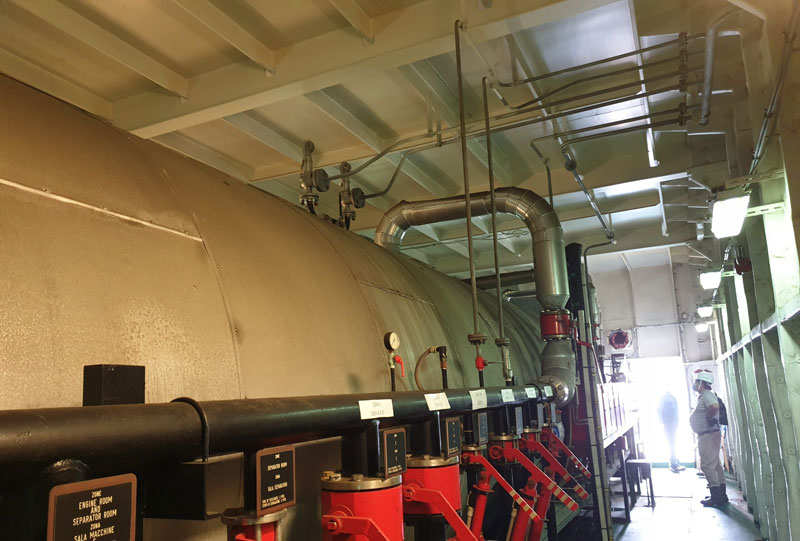
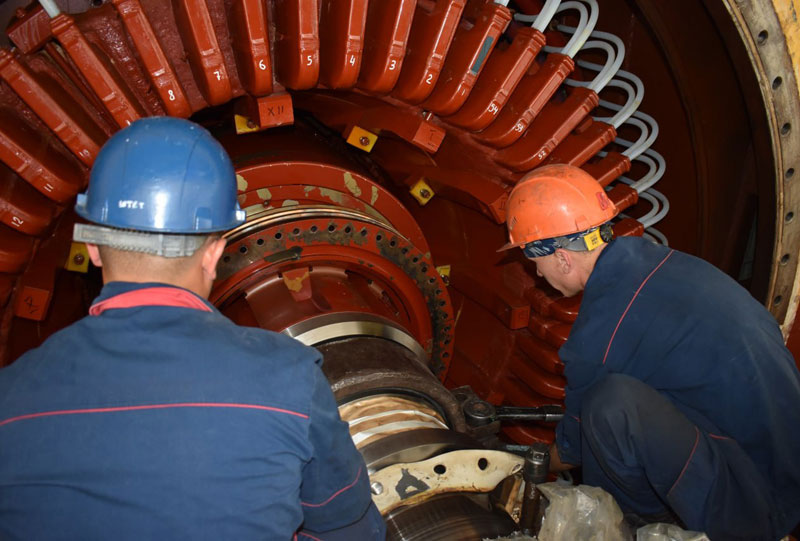
Motor/Alternator Rewinding
Life Raft Annual Servicing refers to the mandatory inspection, testing, and maintenance of a ship’s life rafts to ensure they are in perfect working condition in case of an emergency. This servicing is required under SOLAS (Safety of Life at Sea) regulations and must be performed at approved service stations by certified professionals.
