

Painting
Ship painting is the process of applying protective coatings to a vessel’s hull, deck, and superstructure to prevent corrosion, enhance durability, and improve aesthetics. This is a critical part of ship maintenance, ensuring the vessel withstands harsh marine environments, including saltwater, humidity, and extreme weather conditions.
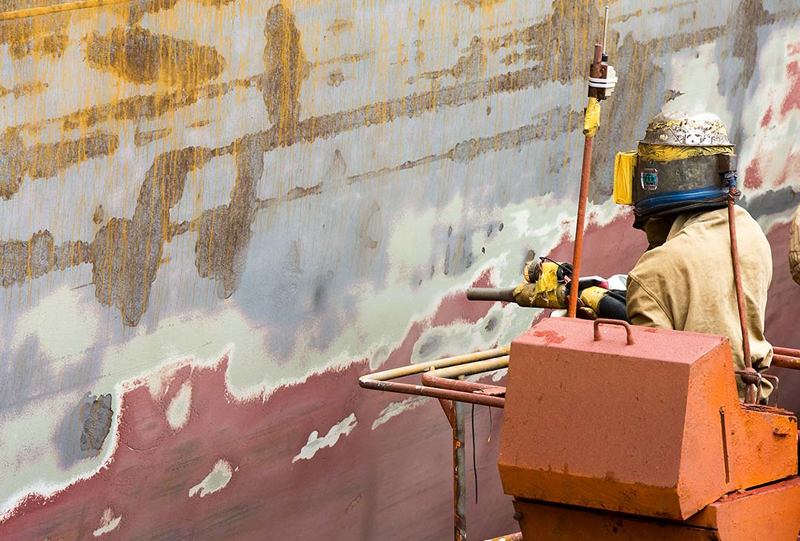
Painting for Ships – Protection & Longevity
Ship painting is a crucial maintenance process that protects a vessel from harsh marine environments, preventing corrosion, reducing friction, improving fuel efficiency, and ensuring compliance with international regulations. Proper painting extends a ship’s lifespan and enhances its overall performance at sea.
Why Is Painting Essential for Ships?
- Prevents Corrosion – Protects metal surfaces from rust and seawater damage.
- Enhances Durability – Extends the ship’s lifespan by reducing wear and tear.
- Improves Fuel Efficiency – Special coatings like antifouling paints reduce drag, saving fuel.
- Maintains Aesthetic Appeal – Keeps the ship looking professional and well-maintained.
- Regulatory Compliance – Meets IMO, SOLAS, and classification society standards.
- Reduces Marine Growth – Prevents biofouling from barnacles, algae, and marine organisms.
Types of Ship Painting & Coatings
Antifouling Paint
- Applied to the ship’s underwater hull to prevent marine growth like barnacles and algae.
- Benefits: Reduces drag, improves fuel efficiency, and minimizes maintenance costs
Corrosion-Resistant Coatings
- Protects metal surfaces from seawater, oxidation, and harsh weather.
- Common Types: Epoxy coatings, zinc-rich primers, and polyurethane paints.
Topside Paint (Above-Water Hull)
- Applied to the visible part of the hull for UV protection and aesthetic purposes.
- Benefits: Enhances the ship’s appearance and protects against sun damage.
Deck Coatings
- Used on decks to prevent wear, reduce slipperiness, and withstand heavy foot traffic.
- Common Types: Anti-skid coatings, epoxy-based paints, and polyurethane finishes.
Tank Coatings
- Special coatings for ballast, fuel, and cargo tanks to prevent contamination and corrosion.
- Benefits: Ensures the safe transport of fuel, chemicals, or water.
Heat-Resistant Paints
- Used in engine rooms and exhaust systems to withstand high temperatures.
- Common Types: Silicone-based and ceramic coatings.
Ship Painting Process
- Surface Preparation – Rust, old paint, and contaminants are removed using chipping, sandblasting, or hydro-blasting.
- Priming – A corrosion-resistant primer is applied to create a strong base layer.
- Painting & Coating Application – Multiple layers of specialized paint are applied using spray guns, rollers, or brushes.
- Curing & Drying – The paint is allowed to dry and harden for maximum durability.
- Final Inspection – Ensuring compliance with industry standards and quality control.
Where Is Painting Needed on a Ship?
- Hull (Underwater & Above-Water Areas) – Protects against rust, seawater, and marine growth.
- Superstructure & Decks – Ensures resistance to UV rays, salt, and foot traffic.
- Cargo Holds & Tanks – Prevents contamination and ensures safe storage.
- Engine Room & Pipes – Heat-resistant coatings for long-term durability.
Specialized Marine Paint Technologies
- Self-Polishing Copolymer (SPC) Paints – Continuously renews the paint surface, improving antifouling performance.
- Silicone-Based Hull Coatings – Ultra-smooth coatings that reduce friction and enhance speed.
- Environmentally Friendly Coatings – Low-VOC and biocide-free paints to meet environmental regulations.
Why Choose Professional Ship Painting Services?
- Expert Application – Ensures high-quality finishes and maximum durability.
- Use of Advanced Techniques – Sandblasting, airless spraying, and high-performance coatings.
- Compliance with Industry Standards – Fulfills IMO, SOLAS, and MARPOL regulations.
- Long-Term Cost Savings – Reduces maintenance frequency and fuel costs.
Regular painting and coating maintenance are vital to keeping ships in optimal condition, ensuring smooth sailing, and reducing operational expenses.
