

Refilling Marine Gases
Refilling Marine Gases refers to the process of replenishing essential gases used on ships for various applications, including welding, refrigeration, fire suppression, and breathing air systems. This service ensures that vessels have a continuous and reliable supply of gases necessary for safe and efficient operations.
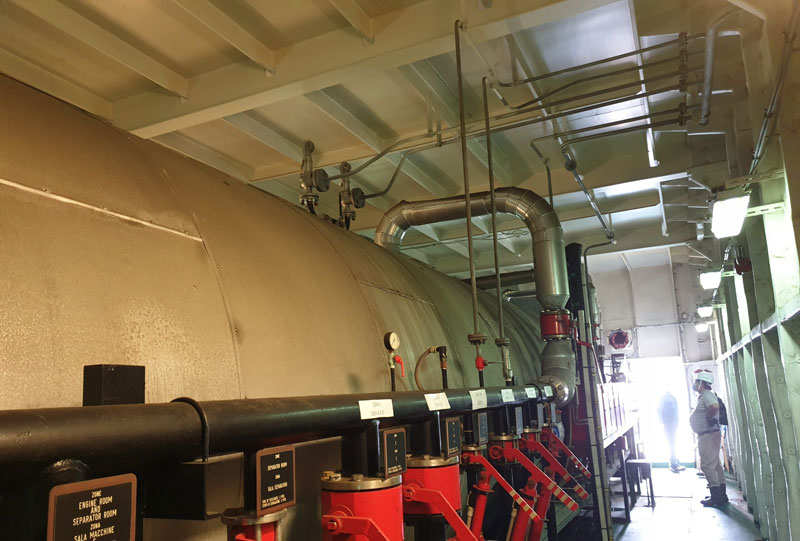
Refilling Marine Gases – Essential for Safe & Efficient Ship Operations
Refilling marine gases is a crucial service for ships, ensuring they have the necessary gases for welding, cutting, refrigeration, and other onboard operations. Ships require high-quality, properly stored, and safely refilled gases to comply with maritime regulations and maintain operational efficiency.
Importance of Marine Gas Refilling
- Ensures Safe Operations – Properly refilled gases reduce the risk of leaks, explosions, or contamination.
- Regulatory Compliance – Adheres to IMO, SOLAS, and MARPOL safety standards for gas handling.
- Supports Maintenance & Repairs – Welding and cutting gases are vital for ship repairs at sea or in port.
- Enables Refrigeration & Preservation – Marine refrigeration gases ensure the cooling of perishable goods.
- Enhances Fire Safety – CO₂ and other fire suppression gases are essential for onboard fire-fighting systems.
Types of Marine Gases Refilled
Welding & Cutting Gases
- Oxygen (O₂) – Used in oxy-fuel welding, cutting, and brazing operations.
- Acetylene (C₂H₂) – Commonly used for cutting and welding due to its high flame temperature.
- Argon (Ar) – Essential for TIG and MIG welding, providing an inert atmosphere for high-quality welds.
- Carbon Dioxide (CO₂) – Used in MIG welding and as a shielding gas for cutting and welding.
Refrigeration & Cooling Gases
- R-134a, R-404a, R-407c, R-22, R-410a – Essential for maintaining the refrigeration system for food storage, air conditioning, and cargo preservation.
- Ammonia (NH₃) – Common in large industrial refrigeration systems onboard ships.
Fire Suppression & Safety Gases
- Carbon Dioxide (CO₂) – Used in fire suppression systems for extinguishing fires in engine rooms and cargo holds.
- FM-200 & Halon Alternatives – Clean agent gases used for fire extinguishing in sensitive areas.
Laboratory & Special Gases
- Helium (He) – Used in deep-sea diving operations and specialized testing equipment.
- Nitrogen (N₂) – Used for purging fuel tanks, preventing explosions, and as an inert gas for certain processes.
Marine Gas Refilling Process
Inspection & Safety Check
- Checking gas cylinders for leaks, corrosion, or damage.
- Verifying compliance with international maritime safety standards.
- Inspecting valves, seals, and pressure levels.
Cylinder Cleaning & Preparation
- Cleaning and degreasing cylinders before refilling.
- Removing contaminants to prevent gas contamination.
- Ensuring proper labeling and tagging for identification.
Gas Refilling & Pressure Testing
- Filling gas cylinders with the correct gas type and pressure level.
- Conducting leak tests to ensure no gas escapes.
- Checking the cylinder’s weight and capacity for accurate refilling.
Sealing, Labeling & Documentation
- Properly sealing and capping cylinders to prevent leakage.
- Labeling each cylinder with gas type, safety instructions, and expiry date.
- Providing necessary certifications and safety documentation.
Regulatory Compliance & Safety Standards
- IMO & SOLAS Compliance – Marine gas refilling must follow the International Maritime Organization (IMO) and Safety of Life at Sea (SOLAS) regulations.
- MARPOL Guidelines – Ensures environmental protection and prevents gas leakage into the sea.
- Class Approvals – Certified by Lloyd’s Register, DNV-GL, ABS, Bureau Veritas, and other classification societies.
Where is Marine Gas Refilling Done?
- Port-Based Gas Stations – Located in major international ports.
- Onboard Ship Services – Some gases can be refilled directly onboard while docked.
- Shipyards & Repair Facilities – Refilling during dry-dock maintenance and repairs.
- Offshore & Marine Supply Networks – Offshore supply vessels can deliver and refill gases at sea.
Proper marine gas refilling is critical for ensuring safe and efficient operations onboard ships. Whether for welding, cutting, refrigeration, or fire suppression, having the right gases in optimal condition ensures smooth sailing and regulatory compliance.
