

Frozen
“Frozen” refers to food items that are preserved at sub-zero temperatures (-18°C to -30°C or 0°F to -22°F) to retain freshness, flavor, texture, and nutrients while significantly extending their shelf life. Freezing slows down bacterial growth and enzymatic activity, keeping food safe for consumption over long periods.
Frozen Beef, Pork, Mutton Meat Cuts & Preserves
- Frozen Meat Cuts: Includes beef, pork, and mutton cuts that are flash-frozen to lock in natural juices and nutrients while preventing bacterial growth.
- Preserves: Processed meats such as sausages, bacon, and deli cuts are frozen to maintain taste and quality.
- Storage Temperature: -18°C or lower to prevent freezer burn and maintain meat integrity.
Frozen Fruits and Vegetables
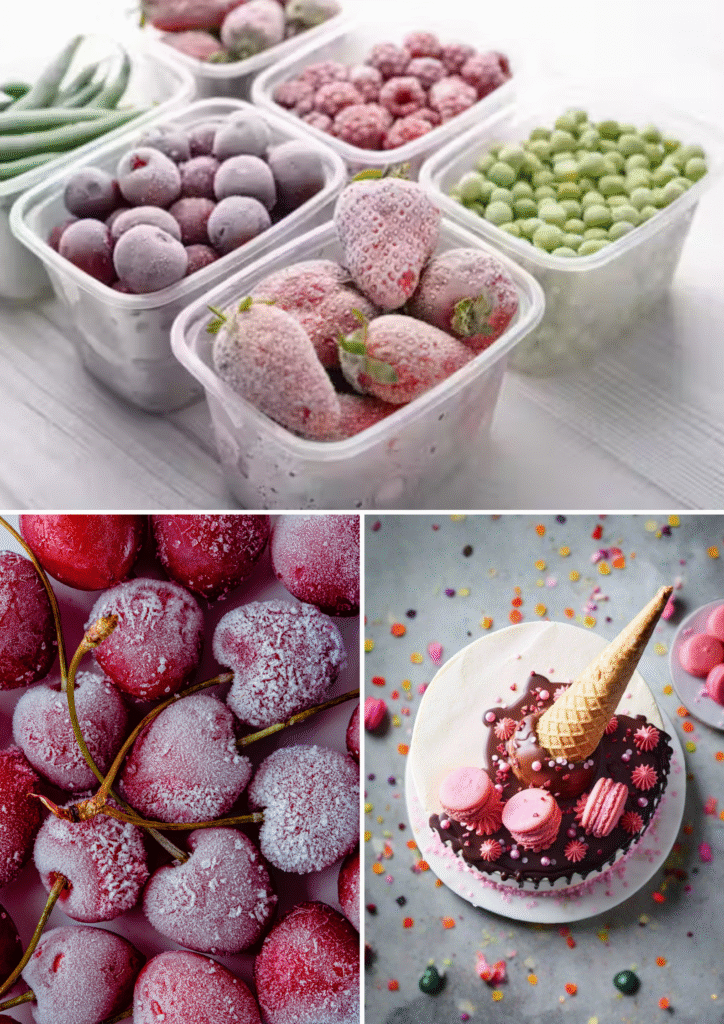
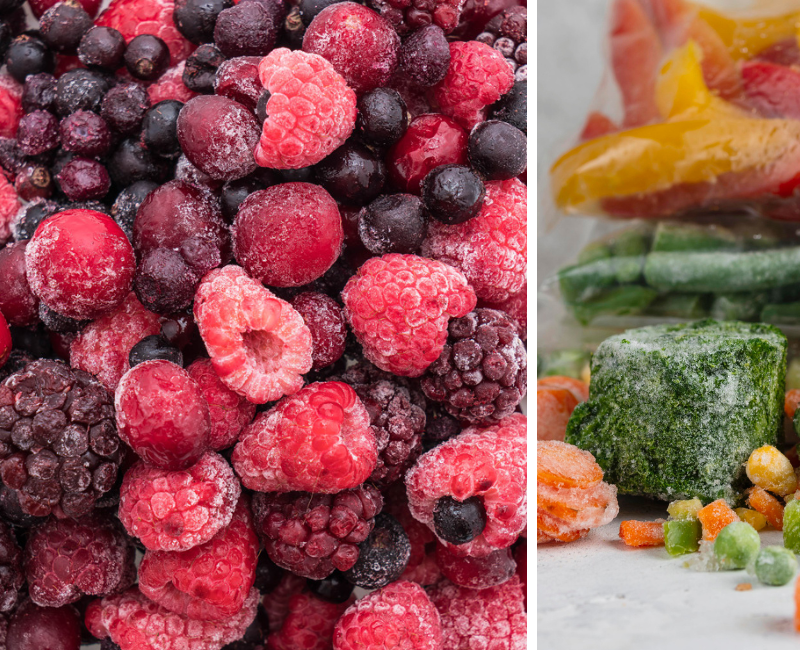
- Frozen Fruits: Berries, mangoes, pineapples, and other fruits are individually quick frozen (IQF) to maintain their shape, color, and nutrients.
- Frozen Vegetables: Green beans, peas, carrots, and mixed vegetables are frozen at peak ripeness to retain vitamins and minerals.
- Storage Temperature: -18°C to -25°C for optimal preservation.
Ice Creams
- Frozen Dairy Products: Ice creams, gelato, and frozen yogurts are stored at ultra-low temperatures to maintain texture, prevent melting, and avoid ice crystal formation.
- Storage Temperature: -20°C to -30°C for smooth consistency.
Cakes and Pastries
- Frozen Cakes & Pastries: Includes cheesecakes, mousse cakes, puff pastries, and croissants that are frozen to preserve their structure and taste.
- Storage Temperature: -18°C or lower to maintain freshness without drying out.
Why is “Frozen” Important?
- Preserves Nutrients – Freezing locks in vitamins and minerals.
- Extends Shelf Life – Can last months to years without spoilage.
- Reduces Food Waste – Prevents premature spoilage of perishable items.
- Ensures Food Safety – Stops bacteria and mold growth.
