

Bunkering
Bunkering refers to the process of supplying fuel to a ship for its operation. It includes loading, storing, and managing fuel (bunkers) onboard a vessel. The term originates from the days when ships used coal, which was stored in “bunkers.” Today, bunkering involves marine fuels like heavy fuel oil (HFO), marine diesel oil (MDO), or liquefied natural gas (LNG).
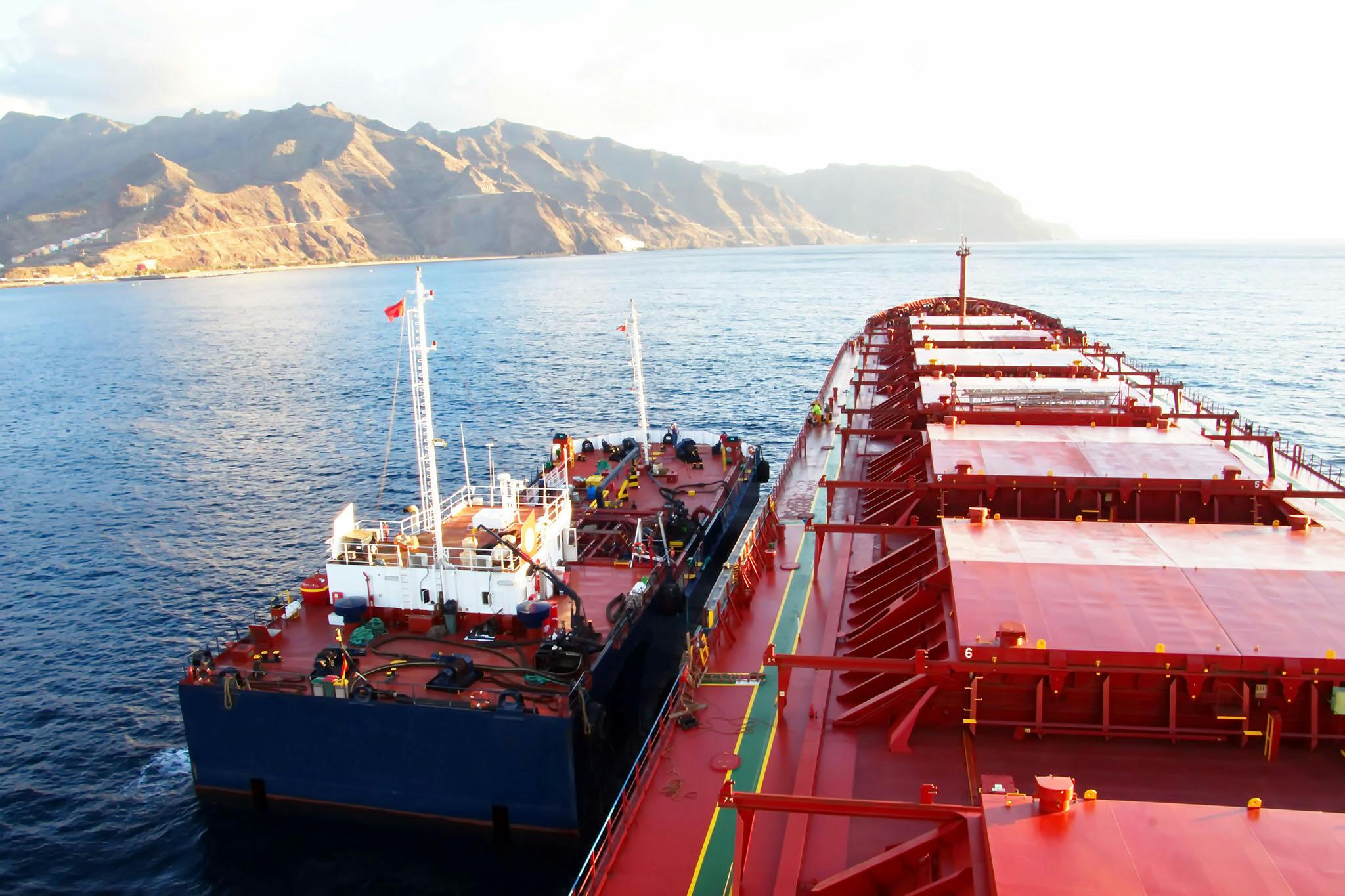
Bunkering for Ships – Fueling the Maritime Industry
Bunkering is the process of supplying fuel to ships, ensuring that vessels have the necessary fuel to operate efficiently on their voyages. It is a crucial aspect of maritime operations and involves the storage, handling, and transfer of fuel, including heavy fuel oil (HFO), marine diesel oil (MDO), marine gas oil (MGO), and liquefied natural gas (LNG).
Importance of Bunkering in the Shipping Industry
- Ensures Continuous Operations – Ships rely on bunker fuel to power their engines and auxiliary systems.
- Optimizes Fuel Efficiency – Proper bunkering helps reduce fuel consumption and operational costs.
- Complies with Environmental Standards – Modern bunkering follows strict international emissions regulations.
- Enhances Safety & Reliability – Proper fuel storage and handling prevent accidents and environmental hazards.
- Supports Global Trade – Bunkering is essential for cargo ships, tankers, cruise liners, and naval vessels worldwide.
Types of Marine Fuels Used in Bunkering
- Heavy Fuel Oil (HFO) – Traditional bunker fuel used for large commercial vessels.
- Marine Diesel Oil (MDO) – A lighter fuel with lower sulfur content, suitable for auxiliary engines.
- Marine Gas Oil (MGO) – A high-quality fuel compliant with emission control area (ECA) regulations.
- Liquefied Natural Gas (LNG) – A cleaner alternative fuel that reduces carbon emissions.
- Biofuels & Synthetic Fuels – Emerging eco-friendly options for sustainable shipping.
Bunkering Methods: How Fuel is Supplied to Ships
Ship-to-Ship (STS) Bunkering
- Fuel is transferred from a bunker vessel or barge to the receiving ship while both are at sea or anchored.
- Used in ports and offshore locations.
- Flexible and efficient for large volumes.
Shore-to-Ship (Pipeline Bunkering)
- Fuel is delivered through pipelines from onshore storage tanks to docked vessels.
- Common in major ports and terminals.
- Ensures safe and controlled fuel transfer.
Truck-to-Ship Bunkering
- A fuel truck transports and delivers fuel directly to the ship at the port.
- Suitable for smaller vessels like yachts and ferries.
- Quick and convenient but limited by truck capacity.
Bunkering Process: Step-by-Step Overview
Pre-Bunkering Preparation
- Fuel Quality Check – Ensuring compliance with IMO regulations.
- Safety Procedures – Checking equipment, pipelines, and emergency measures.
- Documentation – Preparing bunker delivery notes (BDN), fuel specifications, and safety checklists.
Fuel Transfer & Monitoring
- Connection of Transfer Hoses – Securing fuel lines between supplier and receiving ship.
- Flow Rate Control – Ensuring smooth and controlled transfer.
- Sampling & Testing – Taking fuel samples to verify quality and avoid contamination.
Post-Bunkering Procedures
- Final Fuel Measurement – Confirming delivered quantity.
- Completion of Documentation – Signing bunker delivery receipts.
- Environmental Compliance – Ensuring no spills or leaks.
Future of Bunkering: Sustainable & Alternative Fuels
- LNG & Hydrogen Fuel – Lower emissions and increased efficiency.
- Biofuels & Synthetic Fuels – Renewable alternatives for eco-friendly shipping.
- Electric & Hybrid Propulsion – Emerging solutions for short-sea and coastal shipping.
As the maritime industry moves toward greener and more efficient fuel alternatives, bunkering services continue to evolve, ensuring ships are powered safely and sustainably for global trade.
