

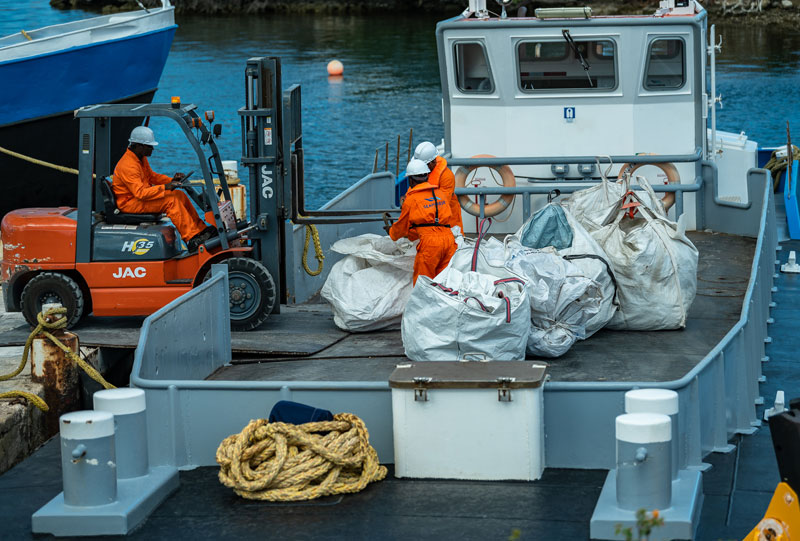
Garbage Cleaning
Garbage cleaning on ships refers to the proper collection, segregation, and disposal of waste generated onboard vessels in compliance with MARPOL Annex V regulations. Ships produce different types of waste, including food scraps, plastic, paper, metal, glass, and hazardous materials, all of which must be managed to prevent pollution and maintain hygiene.
Garbage Cleaning for Ships – Keeping the Seas Clean
Garbage cleaning on ships is a vital process that ensures compliance with international maritime regulations, promotes environmental sustainability, and maintains a clean and safe onboard environment. Proper waste management prevents pollution, protects marine life, and keeps vessels in compliance with MARPOL Annex V, which governs the disposal of ship-generated waste.
Why Is Garbage Cleaning Important for Ships?
- Ensures Compliance – Adheres to international maritime laws, including MARPOL Annex V.
- Protects Marine Ecosystems – Prevents plastic and hazardous waste from harming marine life.
- Enhances Crew Health & Safety – Reduces onboard hazards caused by accumulated waste.
- Maintains Cleanliness & Hygiene – Ensures a hygienic environment for crew and passengers.
- Prevents Operational Delays – Efficient waste disposal keeps the ship running smoothly.
Types of Ship-Generated Waste
Plastic Waste
- Includes bottles, packaging, and containers. Must be segregated and disposed of properly according to regulations.
Food Waste
- Organic waste from kitchens and mess rooms. Can be disposed of at sea under certain conditions but must be logged.
General Waste
- Includes paper, cardboard, cloth, and other non-hazardous waste. Stored in designated garbage bins for proper disposal.
Hazardous Waste
- Includes batteries, chemicals, oil-soaked rags, and medical waste. Requires special handling and must be disposed of in designated port facilities.
Glass, Metal & Cans
- Recyclable materials like aluminum cans, metal scrap, and glass bottles. Often separated for recycling at port facilities.
E-Waste (Electronic Waste)
- Discarded electronic items like wires, circuit boards, and damaged equipment. Requires proper disposal to avoid toxic contamination.
Garbage Cleaning & Disposal Process
Segregation & Collection
- Waste is sorted into different categories (plastic, food waste, hazardous, etc.).
- Color-coded bins are used for easy identification and disposal.
Storage & Compaction
- Large vessels use garbage compactors to reduce waste volume.
- Food waste is stored in sealed bins to prevent odors and contamination.
Treatment & Disposal
- Onboard incinerators may be used for burning certain types of waste.
- Biodegradable waste may be disposed of at sea under regulations.
- Plastic and hazardous waste are offloaded at designated port reception facilities.
Record-Keeping & Compliance
- Garbage Record Books must be maintained as per MARPOL Annex V.
- Inspections by maritime authorities ensure proper compliance.
Equipment Used for Ship Garbage Cleaning
- Garbage Compactors – Reduces waste volume for efficient storage.
- Incinerators – Burns combustible waste in compliance with regulations.
- Food Waste Digesters – Breaks down organic waste safely.
- Segregated Bins & Waste Containers – Ensures proper sorting of waste materials.
- Shredders & Crushers – Used for breaking down large waste items.
Environmental & Operational Benefits of Proper Garbage Cleaning
- Reduces Pollution – Prevents ocean contamination and protects marine ecosystems.
- Enhances Operational Efficiency – Keeps ship decks and workspaces clean.
- Improves Crew Welfare – Provides a hygienic living and working environment.
- Boosts Reputation – Environmentally responsible ships attract business and passengers.
- Prevents Fines & Legal Issues – Ensures compliance with global maritime laws.
By implementing efficient garbage cleaning and waste management, ships contribute to sustainable maritime operations, protect the environment, and uphold global shipping standards.
