

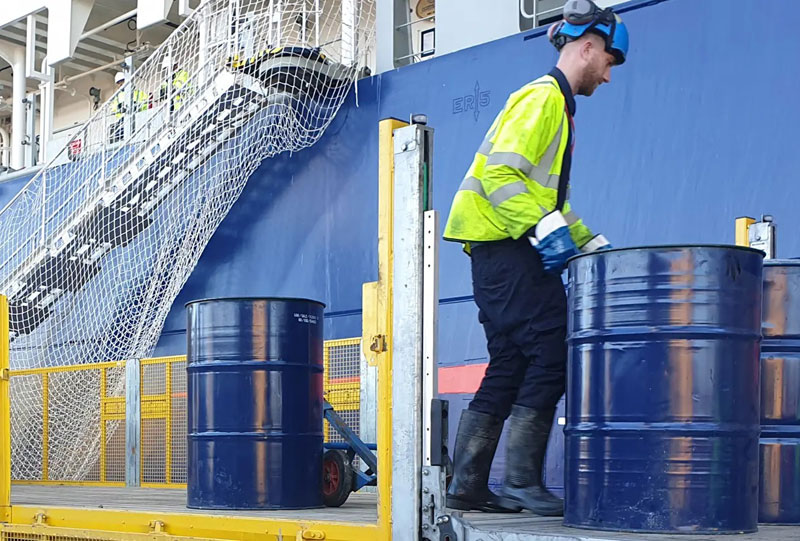
Environmental services
Garbage Removal and Sludge Oil Removal for Ships are essential waste management services that ensure environmental compliance and keep vessels operational by properly disposing of waste materials generated onboard.
- Ships generate various types of waste, including food waste, plastics, paper, glass, and hazardous materials.
- Sludge oil is a byproduct of fuel combustion and engine operations, consisting of waste oil, fuel residues, and water.
Garbage Removal Services
Garbage removal involves the collection, segregation, and proper disposal of solid waste generated onboard. Ships produce various types of waste that must be managed in accordance with MARPOL Annex V regulations.
Types of Ship Garbage:
- Food Waste – Leftovers, kitchen scraps, and biodegradable waste.
- Plastic Waste – Bottles, packaging materials, and single-use plastics.
- Metal & Glass Waste – Cans, broken glass, and metal scraps.
- Paper & Cardboard – Old documents, boxes, and packaging materials.
- Hazardous Waste – Batteries, chemical containers, and contaminated rags.
- E-Waste – Discarded electronic devices, cables, and components.
Garbage Collection & Disposal Process:
- Segregation at Source – Waste is categorized into biodegradable, recyclable, and hazardous materials.
- Storage in Designated Areas – Special waste bins and storage containers prevent leaks and contamination.
- Onshore Disposal – Collected waste is transferred to port reception facilities for proper recycling or disposal.
- Compliance with Regulations – Adhering to IMO guidelines and port authority waste management rules.
Sludge Oil Removal Services
Sludge oil is a byproduct of fuel combustion, engine lubrication, and oil purification systems. It is a highly viscous, oil-contaminated waste that must be properly removed to maintain engine efficiency and prevent marine pollution as per MARPOL Annex I.
Sources of Sludge Oil:
- Fuel Purification Process – Residues from bunker fuel purification.
- Lubricating Oil Contaminants – Waste from engine lubrication and hydraulic systems.
- Oil-Water Separator Residues – Accumulated oily waste in bilge tanks.
- Tank Cleaning Residues – Sludge buildup in fuel and cargo tanks.
Sludge Oil Removal Process:
- Pumping & Collection – Specialized vacuum pumps and sludge removal systems extract oil waste from sludge tanks.
- Transfer to Holding Tanks – Waste is stored in designated onboard tanks before offloading.
- Disposal at Port Facilities – The sludge is transported to certified oil recycling plants or waste treatment centers.
- Environmental Compliance – Proper documentation and waste tracking ensure adherence to MARPOL regulations.
Why Are These Services Important?
- Ensures Environmental Compliance – Prevents illegal dumping and pollution.
- Reduces Fire & Safety Hazards – Proper waste disposal eliminates onboard risks.
- Enhances Engine & Equipment Efficiency – Removing sludge prevents mechanical issues.
- Promotes Crew Health & Hygiene – Keeps the ship clean and sanitary.
Efficient garbage and sludge oil removal services help ships maintain sustainability, operational efficiency, and regulatory compliance while contributing to a cleaner marine environment.
